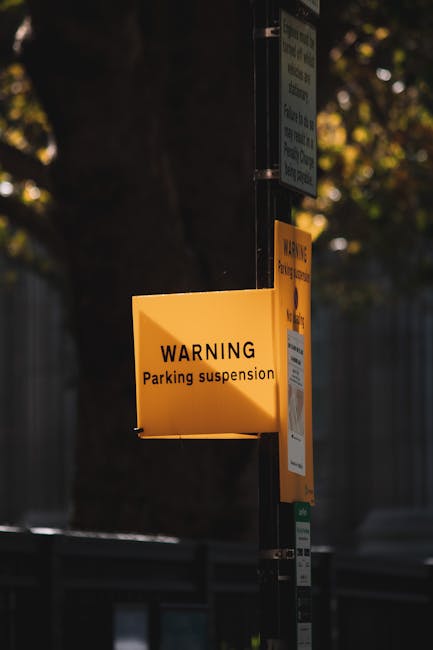
Council parking suspension for removals in W10 what to know

Moving house or shifting furniture in W10 can look simple on paper. Then the van arrives, the street is tighter than expected, a neighbour's car is parked where you need access, and suddenly the whole day starts drifting off plan. That is exactly where a council parking suspension for removals becomes useful. If you are trying to understand council parking suspension for removals in W10 what to know, this guide walks you through the practical bits: what it means, when it helps, how to arrange it, and the mistakes that cause avoidable stress.
To be fair, most moving problems in west London are not about the boxes. They are about access. A little planning around parking can save a lot of lifting, waiting, and last-minute panic. And yes, it is a bit dull to deal with. But once it is sorted, the rest of the move tends to feel calmer, cleaner, and far more manageable.
Why Council parking suspension for removals in W10 what to know Matters
In W10, parking is often the difference between a smooth move and a long, awkward one. Streets can be narrow, bays fill quickly, and some roads leave very little room for a removal van to wait safely while doors are opened, trolleys are unloaded, or larger items are carried out. A parking suspension can reserve a section of road or suspend normal parking rules for a specific period so your vehicle can access the property.
That matters for removals because a blocked kerbside can cause a chain reaction. The van may have to stop farther away. The team then spends extra time carrying items, which adds fatigue and risk. If the weather is doing its usual London thing, those extra metres can feel much longer than they look on a map. And if you are in a flat, those delays can be especially annoying because every extra trip eats into the moving window.
In practical terms, parking control is not just about convenience. It is about reducing double handling, protecting items, keeping the day on schedule, and avoiding unnecessary conflict with neighbours or enforcement officers. If your move is happening in a busy part of W10, it is usually worth taking seriously.
Expert summary: For removals in W10, parking access is often just as important as packing. A well-timed suspension or access plan can save time, reduce carrying distance, and make the move noticeably safer.
If you are comparing moving support, it also helps to look at the wider service picture. Many people arrange the parking first, then line up the right moving help such as man and van support or full removals depending on the size of the job. That way the access plan and the lifting plan work together.
How Council parking suspension for removals in W10 what to know Works
A parking suspension is usually a temporary restriction placed on a parking bay or stretch of road. In plain English, it means ordinary parking is paused for a defined purpose and time. For removals, this can allow your van or lorry to stop closer to the property so loading and unloading is quicker and safer.
The exact process can vary by local authority, but the flow is usually similar. You identify the address, the date, the times you need access, and the type of vehicle involved. The council then decides whether a suspension is suitable, whether signage is needed, and what conditions apply. Sometimes you may need to apply ahead of time, sometimes there are notice periods, and sometimes the availability depends on road type, existing restrictions, or local traffic management rules.
What catches people out is assuming the suspension itself does all the work. It does not. The van still needs to fit, the loading still needs to be done safely, and the team still has to work around pedestrians, residents, and any other restrictions on the street. A suspension can help enormously, but it is not a magic wand. Shame, really.
For a typical W10 move, the council parking suspension may need to cover enough time for arrival, loading, and a small buffer. That buffer is useful. A removal rarely runs like clockwork. You may find a lift is busy, keys are late, or one final cupboard is fuller than anyone remembered. A bit of breathing room matters.
Key Benefits and Practical Advantages
The main advantage of arranging a parking suspension for removals is access. But the practical benefits go further than that.
- Shorter carrying distance: Items move from door to van faster, with fewer trips and less strain.
- Better timekeeping: Less wasted time circling the block looking for a legal space.
- Lower risk of damage: Heavy furniture and boxed items are less likely to be bumped, dropped, or dragged.
- Safer handling: The team can keep a better grip and work with clearer lines of movement.
- Less friction with neighbours: A clear parking plan makes the day feel more orderly, and that helps everybody.
There is also a psychological benefit, if we are honest. When the van is parked where it should be, the whole move feels more under control. You are not improvising at 8:10 in the morning while trying to keep a sofa from touching a damp pavement. You can just get on with it.
This is especially helpful for people using a flat removals service, older residents moving into smaller homes, or anyone carrying awkward items like wardrobes, chests of drawers, or pianos. For specialist items, access planning and careful handling go hand in hand, which is why services such as piano removals often require a bit more forethought than a standard move.
Who This Is For and When It Makes Sense
Not every move in W10 needs a parking suspension. Some do just fine with a quick legal bay nearby, a driveway, or a quiet side street. But the suspension becomes much more sensible when access is tight or the risk of congestion is high.
It usually makes sense if you are:
- moving from a street with controlled parking bays
- moving from or into a flat with limited frontage
- using a larger van or truck that needs direct loading access
- moving heavy, awkward, or fragile items
- working to a strict time slot, such as a handover or building access window
- moving during busy periods when roadside space is scarce
It is also worth considering for business moves. Office equipment, stock, and furniture can take longer to load than people expect. If you are arranging office removals or wider commercial moves, access planning can stop the day from dragging out into the evening.
Students moving in or out of shared houses tend to underestimate parking too. A short-term suspension or a careful parking plan can be a lifesaver when multiple rooms are being moved at once. Same goes for families with storage runs, furniture clear-outs, or a move that includes storage as part of the process.
Step-by-Step Guidance
If you want the short version, here it is: plan early, check access, confirm what the council expects, and make sure your removal vehicle and timings actually match the space. The longer version is below.
- Check the street situation first. Look at the property frontage, bay markings, yellow lines, and whether there is room for a van to stand without blocking a junction or driveway.
- Estimate the vehicle size. A small van, long wheelbase van, or truck changes the picture quite a lot. If you are unsure, choose the vehicle after the access check rather than before it.
- Work out the move window. Think about loading time, the number of people involved, and whether there will be delays at either property.
- Decide whether a suspension is needed. If legal parking is close and reliable, you may not need one. If not, it is usually worth arranging.
- Keep documents and details ready. Expect to provide the address, date, time, vehicle type, and any supporting information the council asks for.
- Confirm signage and conditions. Make sure you understand whether the bay needs to be signed, how far in advance notices must be placed, and what the suspended space covers.
- Recheck the day before. This sounds obvious, but plenty of problems start with one missed detail. A quick final check can save the morning.
If you are using a professional team, share the parking details early. A company providing removal services or a single-vehicle move through man with a van can usually advise how much space is realistically needed. That conversation is worth having. The van cannot magically squeeze into a bay that is already full of someone else's estate car.
Expert Tips for Better Results
Here are the little things that tend to make the biggest difference.
- Book earlier than you think you need to. Lead times can be tighter than expected, especially around month-end and weekends.
- Build in a buffer. A move with perfect timing is nice in theory. In real life, a cushion is more useful.
- Match the bay to the job. A suspension that looks fine on paper may still be awkward if the van door opens into a narrow footpath or the curb is crowded.
- Tell neighbours where possible. A polite heads-up can prevent misunderstandings when the street looks temporarily blocked.
- Plan for loading order. Put the first-needed items near the door. It sounds basic, but it saves a surprising amount of time.
One practical observation from day-to-day moves: the last 10% of the job usually takes 30% of the effort. That is exactly when bad parking access becomes painful. If you are moving a one-bedroom flat, perhaps a student removals job, or a small household move, the parking plan can still matter just as much as it would for a larger property.
A small but useful habit is to take a photo of the parking space, bay markings, and frontage once everything is confirmed. Not glamorous, admittedly. But it can help if anyone on the day needs a quick visual reminder.
Common Mistakes to Avoid
Most moving-day parking issues are predictable. That is the annoying bit. The good news is they are also avoidable.
- Leaving the request too late. This is the big one. Do not assume there will always be time.
- Guessing the vehicle size. A van that is too large can cause problems even if the suspension is in place.
- Ignoring nearby restrictions. Yellow lines, bus stop markings, loading restrictions, and permit zones all matter.
- Forgetting the return trip. If you need the van at both ends, plan for both sets of access.
- Assuming the street will be clear. It probably will not be. Not completely.
- Not telling the removals team about the suspension terms. If the driver arrives without the right expectation, you can lose time.
Another common slip is failing to think about what happens if the first van cannot park exactly where expected. In that case, a team offering removal van support or a larger removal truck hire option may need different access than a small van would. Different vehicle, different rules, different headache. Best to handle it before the move, not during it.
Tools, Resources and Recommendations
You do not need a complicated toolkit for this. What helps most is a tidy checklist, good measurements, and clear communication with the people involved. Still, a few practical items make life easier.
- Measuring tape: Useful for checking door widths, hallways, stair turns, and whether a sofa will make the corner.
- Phone camera: Handy for documenting the frontage, signs, and any access issues.
- Simple moving list: Keeps loading order sane and avoids the classic "where did we put the kettle?" moment.
- Boxes and labels: Especially helpful if the move involves a lot of loose items or mixed rooms.
- Packaging for fragile items: Always worth the time. Always.
For more organised moves, especially when the property is full of mixed household contents, packing and boxes or packing and unpacking services can take a surprising amount of pressure off the day. It is less about luxury and more about keeping the move from turning into a half-finished puzzle.
And if there are items you do not want to move immediately, or you need space between moving out and moving in, storage can be a very sensible bridge. Better that than stacking boxes in a friend's hallway and apologising for a week.
For pricing and payment concerns, it helps to review the company's own information on pricing and quotes and payment and security. If you are comparing providers, those pages can help you understand what is included and what is not.
Law, Compliance, Standards, or Best Practice
Parking suspensions sit within local authority traffic management and parking control processes. The exact rules vary by council, road type, and timing, so it is important not to treat one borough's process as universal. In practice, best results come from checking the relevant local requirements early and allowing enough time for approval, signage, and any notice period that may be needed.
For removals, the best practice is straightforward: do not park where you should not, do not block access routes, and do not assume a temporary stop is acceptable simply because it is convenient. This is especially true in busier London streets, where enforcement can be active and space is shared by residents, visitors, and trade vehicles.
From a safety point of view, professional removal teams should follow sensible lifting practices, keep walkways clear where possible, and avoid putting people at risk when loading close to the highway. If a move involves awkward access, it may be better to choose a smaller vehicle, a different loading time, or a staged move rather than forcing the issue.
It is also wise to work with a company that is transparent about insurance and safety and has clear health and safety policy information. That does not solve parking on its own, of course, but it does show the move is being handled with proper care rather than guesswork.
Best practice is not about being fussy. It is about preventing small access issues from becoming big, expensive, awkward ones.
Options, Methods, or Comparison Table
There is more than one way to manage parking for a move in W10. The right option depends on the street, the property, the vehicle, and how much time you have. Here is a simple comparison.
| Option | Best for | Pros | Limitations |
|---|---|---|---|
| Parking suspension | Busy streets, tight access, larger vehicles | Closest access, less carrying, more control | Needs planning and may have conditions |
| Standard legal parking nearby | Quieter roads or moves with light load | Simple, lower admin, often enough for small jobs | Can mean longer carries and slower loading |
| Smaller vehicle | Restricted streets or limited parking options | Easier to fit into tighter gaps | May need more trips or careful load planning |
| Staged move with storage | Moves with timing gaps or complex access | Reduces pressure on one day | Extra coordination and possible extra handling |
There is no single winner here. A parking suspension is often best when you want certainty, but a smaller vehicle and good timing can be enough in some cases. If your move is simple, why complicate it? On the other hand, if the street is awkward, the suspension is usually worth the effort.
Case Study or Real-World Example
Here is a realistic example from a typical W10 move. A couple were moving from a first-floor flat on a narrow residential street. The property itself was not huge, but the road was busy and the nearest unrestricted parking was a fair walk away. The couple had a sofa, bed base, wardrobe, and several boxes. Nothing extraordinary, just enough to make the day awkward if access went wrong.
Rather than gamble on finding space, they planned the parking in advance and arranged a road setup that allowed the van to stop close to the entrance. On the day, the loading felt much calmer. The team was able to work in shorter loops, the heavier items moved without unnecessary carrying, and the whole process stayed close to the schedule. Nobody was sprinting. Nobody was muttering under their breath about the weather either, which in London is always a win.
The key lesson was simple: the move was not difficult because of the furniture. It was difficult because of the street. Once that was understood, the rest became much easier to manage.
A similar pattern comes up with office jobs and larger household relocations. Good parking access does not make the move glamorous, but it does make it efficient. And efficiency, frankly, is the real prize on moving day.
Practical Checklist
Use this before moving day so you are not scrambling at the last minute.
- Confirm the move date and time window
- Check whether the street needs a parking suspension
- Measure likely access points and entry width
- Decide on vehicle size early
- Share access details with the removal team
- Prepare labels, boxes, and fragile packing
- Keep keys, paperwork, and contact numbers handy
- Plan for lift use or stairs if relevant
- Allow extra time for loading and parking changes
- Take a final look at the street arrangement the day before
If you are moving a household rather than a single room, it can help to pair this checklist with a full move plan. Services such as home moves, house removals, or support from house removalists may be a better fit than ad hoc arrangements. A little structure goes a long way.
And if you are still deciding whether to use a specialist provider, removal companies can be compared on more than price alone. Access planning, handling care, and communication matter too.
Conclusion
Council parking suspension for removals in W10 what to know comes down to this: access is often the hidden make-or-break factor in a move. If the van can park close to the property, the day becomes safer, faster, and less tiring. If it cannot, you may still get the move done, but with more strain, more time, and more chances for things to go a bit sideways.
The sensible approach is simple. Check the street early, think about the vehicle you actually need, leave time for council processes, and make sure your moving team understands the plan. That kind of preparation does not just protect the schedule. It protects your energy as well, which is usually running low by the final box anyway.
Get a free quote today and see how much you can save.
In the end, a well-organised move feels quieter, even when the street is busy. That is worth aiming for.
Frequently Asked Questions
What is a council parking suspension for removals?
It is a temporary restriction that pauses normal parking in a specific bay or section of road so a removal vehicle can stop closer to the property for loading or unloading.
Do I always need one for a move in W10?
No. If there is reliable legal parking nearby and the move is small, you may not need a suspension. It becomes more useful when access is tight or the road is busy.
How far in advance should I arrange it?
As early as possible. Do not leave it until the week of the move if you can avoid it. Lead times and notice requirements can vary, and last-minute requests are where stress usually starts.
Can a suspension cover a removal van or a bigger truck?
Usually yes, but it depends on the road, the space available, and the local authority's conditions. Vehicle size matters, so it is best to confirm that the space is suitable before booking the vehicle.
What details are usually needed?
You are commonly asked for the address, date, time, vehicle type, and the reason for the suspension. Some councils may ask for additional information depending on the street and location.
What happens if someone parks in the suspended space anyway?
That can happen from time to time. The usual response depends on local procedure, but the important thing is to have a backup plan and to tell your removals team what to expect.
Is a parking suspension the same as a loading bay?
No. A loading bay is a space already designated for loading under certain conditions. A suspension temporarily changes normal parking rules for a specific purpose.
Will a suspension make the move faster?
It often helps a lot because the team can load closer to the property. Less carrying usually means less time, less fatigue, and fewer chances for damage. That said, packing and access still matter too.
Can I manage without one if I have strong helpers?
Sometimes, yes. But strong helpers do not change the layout of a narrow street. If the walk from van to door is long, the job still takes more time and effort than it should.
What should I do if my building has its own access rules?
Check them alongside the parking plan. Building access times, lift bookings, concierge rules, and loading restrictions can all affect the move. The parking suspension only solves one part of the puzzle.
Does the type of move affect whether I need one?
Absolutely. Flat moves, house removals, office relocations, and specialist jobs like piano moving all create different access needs. The bigger or more awkward the load, the more useful good parking access becomes.
Where should I start if I want help planning the move?
Start by checking your property access, then review moving options and timing. If you want a clearer picture of what the day may cost, take a look at pricing and quotes, then speak with a mover who understands local access issues. A calm start makes the rest much easier.