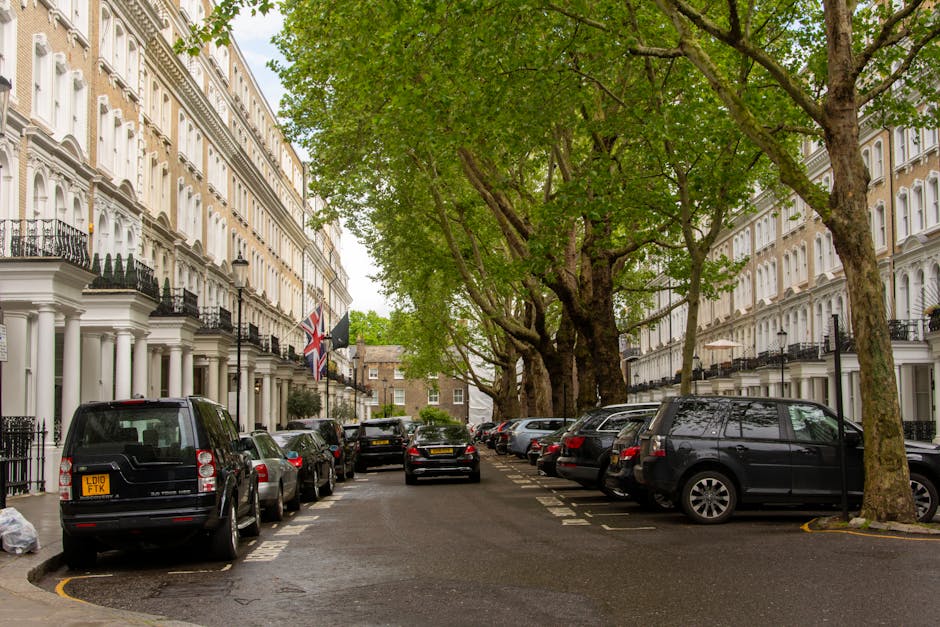
Holland Park Avenue removals parking guide for W10
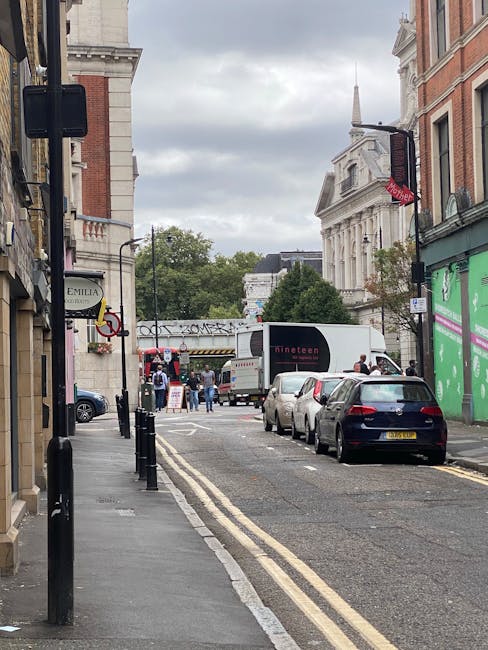
If you are planning a move on Holland Park Avenue, parking can make or break the day. One awkward bay, one blocked driveway, one van circling too long in traffic and suddenly a straightforward move starts feeling messy. This Holland Park Avenue removals parking guide for W10 is here to help you plan properly, avoid last-minute stress, and give your removals team the space they need to work safely and efficiently.
In a busy part of West London, the details matter. Where the van can stop, whether loading is allowed, how long access takes, and whether nearby restrictions affect timing - all of that changes the rhythm of moving day. Truth be told, most delays are not caused by the lifting itself. They come from parking, access, and a bit of under-planning. Let's sort that out.
Below you will find a practical, local-minded guide to parking for removals on Holland Park Avenue in W10, including how to prepare, what to check, and how to reduce the chance of an expensive headache.
Why Holland Park Avenue removals parking guide for W10 Matters
Parking is not a side issue on a removals job; it is the stage on which the whole move happens. On a road like Holland Park Avenue, small access problems can turn into bigger ones fast. If the vehicle cannot stop close enough, the crew spends longer carrying items. If parking is uncertain, the driver may need to wait, double back, or unload in stages. And if the route from van to front door is longer than expected, time and energy drain away before the heavy items are even touched.
For residents in W10, this matters for a few simple reasons:
- loading and unloading usually need to happen efficiently and safely
- parking restrictions may limit where a removals van can wait
- busy local traffic can narrow the window for keeping access clear
- flats, mansion blocks, and terraced homes often have different entry points and curbside conditions
There is also a human reason. Moving day is already full of decisions, boxes, and timing. If parking is sorted in advance, you remove one of the biggest unknowns. That alone can make the day feel calmer. And yes, calmer is good. Very good.
If your move includes professional packing or a wider home move, it can also help to plan the parking alongside your broader moving schedule. Services such as packing and unpacking services or full house removals are easier to coordinate when the loading point is clear and the vehicle position is agreed in advance.
How Holland Park Avenue removals parking guide for W10 Works
The practical idea behind a removals parking plan is simple: make sure the vehicle can legally and safely stop as close as possible to your property for the amount of time the job needs. That may mean using a suspension, confirming a loading bay, identifying a suitable space, or planning around time restrictions. It may also mean choosing the right vehicle size so the stop is short, tidy, and less disruptive to traffic.
Here is the basic flow most good moves follow:
- Check the exact property access point, not just the street name.
- Identify any restrictions that could affect stopping, loading, or waiting.
- Choose the right removals vehicle for the amount of furniture and boxes.
- Set a moving time that suits both access and local traffic conditions.
- Allow a little breathing room. Because something always takes longer than expected, doesn't it?
On Holland Park Avenue, the real challenge is often not the distance itself but the mix of traffic flow, busier junctions, nearby side roads, and the need to keep things safe for pedestrians. A good parking plan helps you avoid a rushed unload, which is where accidental knocks, strained backs, and general grumpiness tend to appear.
If your move includes a smaller load, a man and van or removal van may be easier to position than a larger vehicle. For bigger family moves, you may need something more substantial, such as a moving truck. The parking plan should match the vehicle, not the other way round.
Key Benefits and Practical Advantages
A well-thought-out parking plan does more than save a few minutes. It improves the entire move.
- Less carrying distance: the closer the van can get, the quicker and safer the loading process tends to be.
- Lower risk of damage: fewer long carries mean fewer opportunities for scuffs on walls, chipped furniture, or awkward bumps on doorframes.
- Smoother timing: if access is sorted, the removal crew can work to schedule rather than improvising.
- Better cost control: time wasted parking or waiting may affect the overall efficiency of the job.
- Reduced stress: when the vehicle has somewhere sensible to stop, the whole move feels more manageable.
There is also a surprisingly practical bonus: better parking often makes it easier to keep paths clear inside the building. That matters in flats and shared properties where a quick, organised exit is simply kinder to neighbours and safer for everyone involved.
For moves involving multiple rooms, it may be worth pairing parking planning with packing and boxes so that everything is ready to come out in the right order. A tidy pack and a tidy kerbside arrangement. That's the goal.
Who This Is For and When It Makes Sense
This guide is useful if you are:
- moving house on or near Holland Park Avenue in W10
- leaving a flat, mansion block, or maisonette with limited outside space
- booking a removals team and want to avoid access delays
- arranging a same-day move and need the day to run tightly
- trying to understand whether a small van or larger vehicle is better
- handling a move with bulky items, fragile items, or both
It is especially relevant if you are new to the area or you have not moved locally before. Roads in West London can look straightforward on a map and still behave differently on the ground. The street width, the flow of traffic, and the presence of loading areas all change how your move needs to be handled.
For example, a studio move with light furniture may work well with a quick-loading vehicle and minimal waiting time. A larger family relocation may need a more deliberate parking approach, especially if items like wardrobes, beds, or a piano are involved. In those cases, the parking plan becomes part of the moving plan, not an afterthought.
Step-by-Step Guidance
1) Start with the property, not the postcode
Holland Park Avenue is not one uniform space. The exact building entrance, the side street, the width of the pavement, and whether there is any private forecourt space all matter. Stand outside if you can. You will often notice things from the pavement that do not show up on a quick online glance.
2) Decide what the vehicle needs
Ask yourself: how much needs moving, how many trips are likely, and how close can the van realistically get? A smaller vehicle may be easier to position, while a bigger one may reduce the number of runs. The right answer depends on your load and access. Not glamorous, but very practical.
3) Check for restrictions and loading rules
Parking signs, loading-only areas, nearby controlled zones, and timed restrictions can all affect where a van can stop. If you are unsure, do not assume the nearest space is fine. Make a note of the sign, the hours, and whether loading is permitted. The small print tends to be where the drama lives.
4) Plan the timing around traffic
Even without formal restrictions, the time of day matters. Early morning can be calmer. Midday traffic can create delays. School times, commuter peaks, and busy shopping hours can all affect how easy it is to park and unload. On a lively London street, ten minutes can feel like thirty.
5) Prepare the items before the van arrives
Have boxes sealed, furniture dismantled if needed, and important items separated. If the vehicle arrives and everyone is still looking for tape, keys, or the mattress protector, parking efficiency disappears fast. That happens more than people admit.
6) Leave room for the actual handover
Let the removals team know about stairs, concierge desks, lift access, or awkward corners in advance. A driver who knows they may need to wait briefly while access is confirmed can plan around it. Surprise delays are what cause frustration.
If you are moving a particularly awkward item, such as a heavy upright or a large sofa, services like piano removals or furniture removals can help you think through the size, handling method, and parking position before moving day.
Expert Tips for Better Results
Here is the honest bit: most good parking decisions come down to preparation and a little local realism.
- Measure the route from road to door. A short carry is not just nice, it can be the difference between a smooth job and a tiring one.
- Keep entry access free of clutter. Bins, bikes, prams, and loose plant pots can slow everything down. Easy to miss, annoying when they are in the way.
- Ask the removals provider how they like to work. Some crews prefer a close parking point even if it means a narrower setup. Others may prefer a slightly longer stop with cleaner access.
- Have a backup plan. If the ideal space is taken, know where the next safe option is.
- Use one person as the parking contact. Too many instructions from too many voices can get confusing very quickly.
One small but useful habit is to take a photo of the space, the signs, and the front of the property the day before. It sounds almost too simple, but it helps when plans need checking in the morning. You can show the crew exactly what they will be dealing with, and that avoids guesswork.
Also, if the move is part of a bigger life reset - new flat, new job, new start, the lot - pairing parking preparation with decluttering can make a real difference. A lighter load makes every step easier. Fewer boxes. Fewer decisions. Less chaos in the hallway. Lovely, really.
Common Mistakes to Avoid
Some parking mistakes crop up again and again. Most are easy to avoid once you know what to look for.
- Assuming the nearest space is valid: not every space is safe or permitted for removals loading.
- Leaving parking until moving morning: by then, you are already on the back foot.
- Booking the wrong vehicle size: too large and access becomes awkward; too small and you may need extra trips.
- Forgetting about neighbours and shared access: blocking a driveway or entrance can create avoidable conflict.
- Not planning for bulky items: sofas, beds, wardrobes, and appliances often need more space than people expect.
- Ignoring the time it takes to load safely: rushing is where accidents happen.
A common one is underestimating how quickly parking stress affects everyone. Once one person is frustrated, the mood spreads. You feel it in the pace, in the voices, even in the way doors are opened a bit too hard. It's a small thing, but not really a small thing at all.
Tools, Resources and Recommendations
You do not need fancy equipment to plan good parking, but a few simple tools help:
- a notepad or phone notes for sign details and timing
- photos of the property frontage and road layout
- a tape measure for checking bigger furniture or access widths
- boxes, labels, and room markers so unloading is efficient
- protective materials for furniture and fragile items
It also helps to work with a removals provider that offers clear information about pricing, vehicle choice, and planning. Pages such as pricing and quotes, removal services, and removals are useful starting points if you are comparing what level of support you need.
If you are moving items into temporary storage, it is also worth considering whether the parking setup on move day makes it easier to stage items in a sensible order. That is where storage can become part of the plan rather than a separate worry later on.
Law, Compliance, Standards, or Best Practice
Parking for removals in London is not just about convenience. It also needs to respect local rules, road signs, and safe working practices. While every situation can differ, the sensible approach is always the same: do not assume loading is permitted unless you have checked the restriction for that location and time. Council rules, permit systems, suspension arrangements, and road markings may all affect what is allowed.
Best practice usually means:
- checking whether a loading bay, permit bay, or restricted waiting area applies
- making sure the vehicle is parked legally and without blocking access
- keeping pavements and entrances clear for pedestrians
- avoiding unsafe unloading directly into live traffic
- planning enough time so the job is not rushed
For a more detailed local planning context, you may also find it helpful to read about council parking suspension for removals in W10, permit rules for local removals, and moving-out notice requirements. Those topics are especially useful when parking is tied to formal notification or permit planning.
One practical rule of thumb: if there is any doubt, build in more time and more flexibility rather than less. That is usually the safer, calmer choice.
Options, Methods, or Comparison Table
Different moves call for different parking approaches. Here is a simple comparison to help you think it through.
| Approach | Best for | Advantages | Possible drawbacks |
|---|---|---|---|
| Kerbside parking near the entrance | Small to medium moves with straightforward access | Fast loading, shorter carry distances | May be restricted or hard to find |
| Loading bay or timed stopping area | Planned moves in busier streets | Often more organised and efficient | Needs rule checks and timing discipline |
| Short-stay nearby parking | When direct access is limited | Can still support a manageable move | Longer carry, more time, more effort |
| Larger vehicle with very close access | Full house moves or bulky furniture | Reduces trips, improves efficiency | Can be harder to position on tight roads |
In practice, the best choice is usually the one that gives the safest route from van to property while keeping the move legal and reasonably efficient. Not the fanciest choice. Not the largest vehicle. Just the one that works.
Case Study or Real-World Example
Imagine a two-bedroom flat near Holland Park Avenue, with a couple of heavy wardrobes, a sofa, boxes, and a few awkward kitchen items. The resident initially assumes the van can stop right outside. On the day, that space is taken and traffic is flowing more quickly than expected. Without a backup plan, the crew would need to wait, then carry items from further down the road. That adds stress before the first box has even moved.
Now imagine the same move with a little planning. The resident checks the road layout the day before, notes a nearby loading option, photographs the signs, and tells the removals team which entrance they will use. The crew arrives knowing the likely stop point, the heavier items are ready near the front door, and the load is prioritised so the largest pieces go first. The move still takes effort - of course it does - but it feels orderly rather than chaotic.
That is the real value of a parking guide. It does not remove all problems. It simply reduces the number of unnecessary ones. And on moving day, that is a win.
For moves involving large or tricky furniture, it can also help to read practical guidance such as why narrow street access delays removals and moving beds and mattresses safely. They are the sort of details people often wish they had checked earlier.
Practical Checklist
Use this checklist before moving day. It keeps things simple.
- confirm the exact property entrance and loading point
- check parking signs and any time-based restrictions
- decide whether a small van or larger removals vehicle is more suitable
- photograph the road, the frontage, and the nearest suitable space
- clear the entryway of bins, bikes, and loose items
- label boxes by room so unloading is efficient
- tell the removals team about stairs, lifts, or narrow corridors
- have a backup parking option in mind
- keep keys, documents, and essentials separate from the main load
- allow a little extra time for the unexpected
If you want to make the job even smoother, consider pairing the parking plan with services that reduce pressure elsewhere, such as home moves, flat removals, or even same-day removals when timing is tight and the schedule needs to be kept sharp.
Conclusion
A good Holland Park Avenue removals parking guide for W10 is really about reducing friction. When the parking is planned properly, everything else gets easier: loading, carrying, timing, safety, and even the mood on the day. That matters more than people expect.
Think of parking as part of the moving strategy, not a detail to sort later. Check the access, match the vehicle to the load, prepare for local restrictions, and keep a backup plan in your pocket. That is usually enough to turn a stressful move into a much steadier one.
Get a free quote today and see how much you can save.
And if you are still in the early stages, that is fine too. A bit of careful planning now can save a lot of wobble later, and that is a very London kind of lesson.
Frequently Asked Questions
Do I need special parking arrangements for removals on Holland Park Avenue?
Often, yes, or at least a clear parking plan. Whether you need a formal arrangement depends on the exact location, the time of day, and the road restrictions in place. It is always better to check rather than assume.
Can a removals van stop outside my property in W10?
Sometimes it can, but not always. Traffic, bays, time limits, and local restrictions all affect whether that stop is possible. The safest approach is to plan for more than one option.
What is the best time of day for removals parking in West London?
Earlier in the day is often easier, but the right time depends on your street and building. Quiet periods can help with parking and reduce traffic around the loading point.
Is a small van better than a large truck for Holland Park Avenue moves?
Not automatically. A smaller vehicle may be easier to position, but a larger one may reduce the number of trips. The best choice depends on your load and how accessible the property is.
How do I avoid parking fines during a house move?
Check the signs, understand the loading rules, and do not park in a space unless you are sure it is permitted. If anything is unclear, use a backup option rather than taking a gamble.
Should I book parking or a suspension in advance?
Sometimes that is sensible, especially for busier streets or moves with tight access. Whether it is necessary depends on the exact circumstances, so it is worth checking early in the planning stage.
What if there is no space near my building?
Then you need a fallback plan. That might mean using a different vehicle, a nearby legal parking option, or adjusting the move time. A little flexibility goes a long way.
How much extra time should I allow for parking and access?
It varies, but it is wise to build in a buffer. In busy London areas, even short delays can affect the whole schedule, so a bit of spare time is usually worth it.
Can removals teams help with parking planning?
Yes, many can. A good team will usually ask about access, road position, vehicle size, and loading conditions before the move. The more detail you give them, the better.
What should I tell the removals company before the move?
Tell them the property type, the floor number, lift access, parking restrictions, whether there are stairs, and any bulky items that need extra care. The clearer the brief, the smoother the day tends to be.
Is it worth using a professional service for a small move?
Often it is, especially if parking is awkward or you have heavy items. A simple move can still become difficult if access is poor, so professional help can be a sensible choice.
What happens if parking is blocked on the day?
That is where your backup plan matters. Keep an alternative space or approach in mind, and stay in touch with the removals team so they can adjust quickly rather than waiting around.
If you are comparing options, choosing the right support early usually saves time, effort, and a fair bit of noise on the day. And sometimes, that quiet efficiency is worth more than people realise.